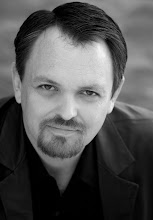
Been neglecting the blog. Just started production on my next film and things are the usual crazy as we get started. More details about the film and the continuation of the 12 principles soon. I can say that I am having a WONDERFUL time.
Why does anybody do anything but make movies?
Wednesday, June 22, 2011

Friday, June 3, 2011
Definition of 12 Principles
An old student sent me an email asking me to define the 12 Principles the way I used to in class. Okay, but a slight proviso first. These are not dictionary definitions. What follows is an experienced animator describing how he thinks in response to a specific question from a student. Of course it is over-simplified. Of course these concepts are not to be considered rock solid rules in every situation.
Let me tell you a story.
When I was at Disney Feature it was a common (though frowned upon) practice for animators who wanted to earn some extra money or loved working on the classic characters to pick up freelance animation at Disney Toons on the Direct to Video sequels. I did it a lot. It was just plain fun to move those old characters around. A change of pace from the overworked boring feature stuff I was working on across the street.
One particular scene presented to me was a shot from an homage of the classic "dance of the pink elephants" sequence from Dumbo - this time staring a magic dancing Heffalump. I was told this particular shot had been originally given to a very famous supervising animator over at Feature and had come back out of sync with the music and unfinished. Seems the animator considered the beat of the music too fast and the physical changes too extreme to do in the allotted amount of time.
Now here's the point, the famous very successful animator told the people working on the film that the concept of the shot was the problem. That the music/boards had been executed badly and he needed to change the entire concept of the scene in order to execute the animation to his "standards". If he couldn't do what was being asked in the way he usually animated then what he was being asked to do was by definition "bad".
I looked at the boards and listened to the music and couldn't see why it was such a problem. (I should add here that I asked not to see what the previous animator had done so I have no idea what the specific issues were.) I animated the shot in about four days and it turned out very well.
See below for pencil test.
So why I am telling this story? Is it to illustrate that my formulas and concepts are right and this famous animator is secretly a hack? I'm great, love me, love me, love me? Absolutely not. I have people in my life who blow enough smoke up my ass for my ego to thrive. I don't need the internet to love me. (and neither should you, O Artiste Wanna-be)
The famous animator is famous for a reason. He does fantastic work. I love a lot of his stuff and admire much of his technique. He is a great animator. My point is only this, learn how to use LOTS of tools. Otherwise no matter how good you may be at a particular style, you will eventually get in over your head.
You should work not to become locked into a particular way of moving things or drawing. The concepts we are examining are only tools and every job needs the tool best suited for it. Don't memorize a few formulas (even if they make you famous) and stop there. The famous animator's mistake was locking himself into a style as the only "right" way of animating. The animators at MGM, Disney, Warners, UPA, Hanna -Barbara, each mastered and used variations on classic animation formulas that worked for their particular studio's style and goals. And they deliberately studied each other's techniques, because there is always something more to learn.
Styles and formulas are wonderful tools. But instead of memorizing and eventually becoming enslaved to them, understand the principles behind the techniques. Then choose the right tool for the right job. Hell, invent your own! If you understand why something works, you can make it work better.
Crap. Long blog. Sorry. I'll do a couple principles here and pick up the list in a later blog.
Squash = Shows what material an object is made of.
Soap bubbles squash a lot at any speed, human flesh somewhat less, cannonballs do not quash at all (usually). The viewer's eye is looking for clues as to what the object is made of. Squash is the fastest way to tell them. Squashing things too much does not make animation snappy or "classic'. It makes things feel unreal when done too much. Best advice. Keep squash on ones whenever possible and don't transition between shapes. It can get gooey. Remember you can always add an inbetween later if you need it.
You are looking for snap, not mush.
Stretch = Used to continue persistence of vision when an object is spaced so far between frames that the eye will perceive it as a different object.
That effect usually refereed to as "popping" or "strobing". Blur does the same thing visually as stretch, but again can be overused. Remember classic animation used stretching much less than you think and usually pretty subtly (MGM). CG tends to have the motion blur turned up too high because real objects blur when photographed. Okay given, but photography is a much LESS precise art form than animation. Brilliant cartoons were made for years with little or no motion blur. Don't get lazy. Blur is not always necessary and is far overused by visual effect folks to cover the fact that the animators didn't space the moving objects precisely. Computers want to space things evenly so they tend to float and strobe. The math is easier. Too much blur is often used to cover poor placement of objects by the computer's automatic inbetweening. (Quick tip: In Earth normal gravity, practically nothing inbetweens on thirds. We'll get to this later.)
When should you use blur and stretch at the same time? Practically never!
Stretch is not an indicator of speed. Spacing determines speed, not stretching. Check out some Bugs Bunny cartoons from the forties. When stretch is over-used but the object doesn't move far enough to need it, the character doesn't feel like he's moving quickly, he just feels rubbery. Usually that was not a stylistic choice. It was a mistake made by great artists experimenting.
Yeah, drawing wildly stretched characters is fun. Get over it.
By the way, popping and strobing can be very effective when used correctly. If you slap blur on everything out of habit, you lose a powerful tool.
Let me tell you a story.
When I was at Disney Feature it was a common (though frowned upon) practice for animators who wanted to earn some extra money or loved working on the classic characters to pick up freelance animation at Disney Toons on the Direct to Video sequels. I did it a lot. It was just plain fun to move those old characters around. A change of pace from the overworked boring feature stuff I was working on across the street.
One particular scene presented to me was a shot from an homage of the classic "dance of the pink elephants" sequence from Dumbo - this time staring a magic dancing Heffalump. I was told this particular shot had been originally given to a very famous supervising animator over at Feature and had come back out of sync with the music and unfinished. Seems the animator considered the beat of the music too fast and the physical changes too extreme to do in the allotted amount of time.
Now here's the point, the famous very successful animator told the people working on the film that the concept of the shot was the problem. That the music/boards had been executed badly and he needed to change the entire concept of the scene in order to execute the animation to his "standards". If he couldn't do what was being asked in the way he usually animated then what he was being asked to do was by definition "bad".
I looked at the boards and listened to the music and couldn't see why it was such a problem. (I should add here that I asked not to see what the previous animator had done so I have no idea what the specific issues were.) I animated the shot in about four days and it turned out very well.
See below for pencil test.
So why I am telling this story? Is it to illustrate that my formulas and concepts are right and this famous animator is secretly a hack? I'm great, love me, love me, love me? Absolutely not. I have people in my life who blow enough smoke up my ass for my ego to thrive. I don't need the internet to love me. (and neither should you, O Artiste Wanna-be)
The famous animator is famous for a reason. He does fantastic work. I love a lot of his stuff and admire much of his technique. He is a great animator. My point is only this, learn how to use LOTS of tools. Otherwise no matter how good you may be at a particular style, you will eventually get in over your head.
You should work not to become locked into a particular way of moving things or drawing. The concepts we are examining are only tools and every job needs the tool best suited for it. Don't memorize a few formulas (even if they make you famous) and stop there. The famous animator's mistake was locking himself into a style as the only "right" way of animating. The animators at MGM, Disney, Warners, UPA, Hanna -Barbara, each mastered and used variations on classic animation formulas that worked for their particular studio's style and goals. And they deliberately studied each other's techniques, because there is always something more to learn.
Styles and formulas are wonderful tools. But instead of memorizing and eventually becoming enslaved to them, understand the principles behind the techniques. Then choose the right tool for the right job. Hell, invent your own! If you understand why something works, you can make it work better.
Crap. Long blog. Sorry. I'll do a couple principles here and pick up the list in a later blog.
Squash = Shows what material an object is made of.
Soap bubbles squash a lot at any speed, human flesh somewhat less, cannonballs do not quash at all (usually). The viewer's eye is looking for clues as to what the object is made of. Squash is the fastest way to tell them. Squashing things too much does not make animation snappy or "classic'. It makes things feel unreal when done too much. Best advice. Keep squash on ones whenever possible and don't transition between shapes. It can get gooey. Remember you can always add an inbetween later if you need it.
You are looking for snap, not mush.
Stretch = Used to continue persistence of vision when an object is spaced so far between frames that the eye will perceive it as a different object.
That effect usually refereed to as "popping" or "strobing". Blur does the same thing visually as stretch, but again can be overused. Remember classic animation used stretching much less than you think and usually pretty subtly (MGM). CG tends to have the motion blur turned up too high because real objects blur when photographed. Okay given, but photography is a much LESS precise art form than animation. Brilliant cartoons were made for years with little or no motion blur. Don't get lazy. Blur is not always necessary and is far overused by visual effect folks to cover the fact that the animators didn't space the moving objects precisely. Computers want to space things evenly so they tend to float and strobe. The math is easier. Too much blur is often used to cover poor placement of objects by the computer's automatic inbetweening. (Quick tip: In Earth normal gravity, practically nothing inbetweens on thirds. We'll get to this later.)
When should you use blur and stretch at the same time? Practically never!
Stretch is not an indicator of speed. Spacing determines speed, not stretching. Check out some Bugs Bunny cartoons from the forties. When stretch is over-used but the object doesn't move far enough to need it, the character doesn't feel like he's moving quickly, he just feels rubbery. Usually that was not a stylistic choice. It was a mistake made by great artists experimenting.
Yeah, drawing wildly stretched characters is fun. Get over it.
By the way, popping and strobing can be very effective when used correctly. If you slap blur on everything out of habit, you lose a powerful tool.
Sunday, May 29, 2011
Directors U Should Know 3
Okay continuing the list of great directors and their work which any serious film student should be familiar. (Yes, that means watching black and white well made movies written for adults where nobody has superpowers and occasionally wears a shirt. Tough it out.)
Today's director, HOWARD HAWKS
Born in Indiana in 1896, Hawks started as a Prop Man in in his early twenties. He worked as an Assistant Director, Casting Director, Script Supervisor (a great job for someone who wants to be a director), Editor (more great training) and Producer, but mostly Hawks worked as a Screenwriter until he directed his first film in 1926, Road to Glory.
So you see, knowing what is actually going on on the set helps to make a solid director. John Ford shared this kind of up-through-the-ranks set experience. In my opinion, film school is a poor substitute for hands-on working knowledge. (So go get some! Every production needs free help.)
Hawks was one of the greatest action directors ever, but also one of the best comedy directors. He pioneered verbal fast-paced "screwball" comedies that relied on sharp pacing and "overlapping" dialog. The amazing thing about Hawks' pacing is one felt like the characters were talking over each other, but could still clearly catch every word and joke. I know from experience how hard that can be. (Mixers hate it!) To get a feel for just how good Hawks was at this, watch "Bringing up Baby" and "His Girl Friday". Hawks pacing is a clear influence on directors like Peter Bogdanovich and Tommy Shlamme. (Both of whom we will see later on this list.)
So please watch and enjoy this abbreviated list of Howard Hawks' best films.
Yeah I know he's listed as the Producer not Director, but watch this brilliant film. Hawks clearly directed it! It is infused with signature Hawks' pacing, style, dialog, and characters. It also has the best reveal of a spaceship ever done in film. I smile every time I watch it. Brilliant!
But "The Thing" was made in a time when Sci-Fi was synonymous with low rent childish garbage and no director could risk putting his name on one and be taken seriously for other work outside the genre again.
Kinna like animation today.
Today's director, HOWARD HAWKS
Born in Indiana in 1896, Hawks started as a Prop Man in in his early twenties. He worked as an Assistant Director, Casting Director, Script Supervisor (a great job for someone who wants to be a director), Editor (more great training) and Producer, but mostly Hawks worked as a Screenwriter until he directed his first film in 1926, Road to Glory.
So you see, knowing what is actually going on on the set helps to make a solid director. John Ford shared this kind of up-through-the-ranks set experience. In my opinion, film school is a poor substitute for hands-on working knowledge. (So go get some! Every production needs free help.)
Hawks was one of the greatest action directors ever, but also one of the best comedy directors. He pioneered verbal fast-paced "screwball" comedies that relied on sharp pacing and "overlapping" dialog. The amazing thing about Hawks' pacing is one felt like the characters were talking over each other, but could still clearly catch every word and joke. I know from experience how hard that can be. (Mixers hate it!) To get a feel for just how good Hawks was at this, watch "Bringing up Baby" and "His Girl Friday". Hawks pacing is a clear influence on directors like Peter Bogdanovich and Tommy Shlamme. (Both of whom we will see later on this list.)
So please watch and enjoy this abbreviated list of Howard Hawks' best films.
Dawn Patrol
Scarface
Barbary Coast
Ceiling Zero
Bringing Up Baby
Only Angels Have Wings
His Girl Friday (The Front Page. Kinna.)
Sargent York
To Have and Have Not
The Big Sleep
Red River
I was a Male War Bride
Gentlemen Prefer Blondes
Rio Bravo
El Dorado
Rio Lobo
Scarface
Barbary Coast
Ceiling Zero
Bringing Up Baby
Only Angels Have Wings
His Girl Friday (The Front Page. Kinna.)
Sargent York
To Have and Have Not
The Big Sleep
Red River
I was a Male War Bride
Gentlemen Prefer Blondes
Rio Bravo
El Dorado
Rio Lobo
Those last three are easily some of the best westerns ever made. (I would include Red River in that comment but like John Ford's otherwise amazing remake of Three Godfathers, I just can't get past the unearned happy ending.)
And my absolute favorite Howard Hawks' directed film....
The Thing from Another WorldYeah I know he's listed as the Producer not Director, but watch this brilliant film. Hawks clearly directed it! It is infused with signature Hawks' pacing, style, dialog, and characters. It also has the best reveal of a spaceship ever done in film. I smile every time I watch it. Brilliant!
But "The Thing" was made in a time when Sci-Fi was synonymous with low rent childish garbage and no director could risk putting his name on one and be taken seriously for other work outside the genre again.
Kinna like animation today.
Saturday, May 28, 2011
Classroom part 2
Character Animation is not the mechanical precise duplication of motion as observed in the physical world. That would be called real life. And any filmmaker who strives to capture/recreate real life on film is making documentaries. Or trying to. But if you ever use a cut between shots, you've failed. The film has become what it always is, an abstract (perhaps symbolic is a better term than abstract) form of visual communication.
My point is movies are not "realistic" by their very nature. They never have been. There's music playing and cameras cutting and shifting POVs, and titles, and hundred other incredibly unrealistic things going on to tell the story.
Film is not a realistic art form.
(Neither is acting for that matter. Can you imagine anything as boring as pointing a camera at someone not acting? Go ask an actor. They work very hard to execute their craft so that the audience simply doesn't notice the actor is acting. But they are definitely using technique and experience to do something very artificial. Character animation is very similar.)
So why are amateurs (I'm especially taking about those with a visual effects background.) OBSESSED with precisely duplicating real movement in animation? How misguided. Nothing else in the film is even slightly real. The goal should be to have the animation (an all elements of a film actually) be EFFECTIVE, a more complicated and subtle goal.
Okay realistic I get, but effective? How does one determine if something is effective?
Ah, that is solely determined by the artistic intention of the film maker. What story is being told, what techniques are being used to heighten the audiences emotional involvement with the characters, what's the point of the scene or shot, where is the story going, where have we just been; a whole long list of artistic choices on the part of the director. But at the end of the day, animation is effective ONLY if it successfully communicates the film maker's intent to the audience.
(Two notes: Let's just assume that no film maker's intent is to bore or confuse the audience and let's agree to stop using the word "good" when speaking of film. Instead think the word "effective". "Good" leaves a lot of room for self-bullshiting. "Effective", far less so.)
So stop thinking the art of Character Animation is the merely the simple dry process of analysis and duplication. It is not. Observation and analysis of nature and "laws of motion" are critical tasks for the animator, but they are just the beginning.
Character Animation uses subtle artistic techniques based on studies of motion, gravity, force, material structure, the workings of the human eye and film processes, color, tone, symbols and shape, but mostly an understanding of the human mind and heart, to create a heightened impressionistic experience for the audience. A experience intended to make the audience believe (at least while watching the film) that the drawings or digital puppets on the screen can think, feel, and live in a way humans instinctively relate to emotionally.
Frank Thomas and Ollie Johnson called this "The Illusion of Life."
That is easily the most wonderful description of this insanely complicated, subtle, and joyous art form I have ever read. Not the mere duplication of living things' motion, but creating the sustained illusion that the drawings or puppets we see on the screen live, think, and feel.
Sound complicated? Hard to learn? Well, it is. Damned hard to do well. I would give up now if I were you. Go ahead, take the easy route. Learn some half-assed software package and slide stuff around on the screen. Pretend that garbage is animation. Go join a visual effects department!!! Live a lie! See if I care! I have better things to do with my time, punk!!!
Pause.
Actually I don't. (God, do I need a hobby.)
Okay, don't panic. Character animation is a very complicated and difficult thing to do effectively, but we stand on the backs of giants. The great animation masters of earlier generations have passed to us a time tested, simple, and organized method to master the basic techniques.
Let's start at the beginning.
Note: you may see in other places variations on this list adding terms such as solid drawing or appeal. It is my opinion that such terms describe not essential animation principles, but personal preferences of style. It is my goal to teach not a particular style (like the Disney Method) but the technically essential techniques common to all effective character animation 2d, 3d, "realistic"or cartoony.
So let's start with the first exercise. A short animation that will allow the student to isolate, examine, and play around with 9 of the 12 principles.
Next time: The Bouncing Ball!
My point is movies are not "realistic" by their very nature. They never have been. There's music playing and cameras cutting and shifting POVs, and titles, and hundred other incredibly unrealistic things going on to tell the story.
Film is not a realistic art form.
(Neither is acting for that matter. Can you imagine anything as boring as pointing a camera at someone not acting? Go ask an actor. They work very hard to execute their craft so that the audience simply doesn't notice the actor is acting. But they are definitely using technique and experience to do something very artificial. Character animation is very similar.)
So why are amateurs (I'm especially taking about those with a visual effects background.) OBSESSED with precisely duplicating real movement in animation? How misguided. Nothing else in the film is even slightly real. The goal should be to have the animation (an all elements of a film actually) be EFFECTIVE, a more complicated and subtle goal.
Okay realistic I get, but effective? How does one determine if something is effective?
Ah, that is solely determined by the artistic intention of the film maker. What story is being told, what techniques are being used to heighten the audiences emotional involvement with the characters, what's the point of the scene or shot, where is the story going, where have we just been; a whole long list of artistic choices on the part of the director. But at the end of the day, animation is effective ONLY if it successfully communicates the film maker's intent to the audience.
(Two notes: Let's just assume that no film maker's intent is to bore or confuse the audience and let's agree to stop using the word "good" when speaking of film. Instead think the word "effective". "Good" leaves a lot of room for self-bullshiting. "Effective", far less so.)
So stop thinking the art of Character Animation is the merely the simple dry process of analysis and duplication. It is not. Observation and analysis of nature and "laws of motion" are critical tasks for the animator, but they are just the beginning.
Character Animation uses subtle artistic techniques based on studies of motion, gravity, force, material structure, the workings of the human eye and film processes, color, tone, symbols and shape, but mostly an understanding of the human mind and heart, to create a heightened impressionistic experience for the audience. A experience intended to make the audience believe (at least while watching the film) that the drawings or digital puppets on the screen can think, feel, and live in a way humans instinctively relate to emotionally.
Frank Thomas and Ollie Johnson called this "The Illusion of Life."
That is easily the most wonderful description of this insanely complicated, subtle, and joyous art form I have ever read. Not the mere duplication of living things' motion, but creating the sustained illusion that the drawings or puppets we see on the screen live, think, and feel.
Sound complicated? Hard to learn? Well, it is. Damned hard to do well. I would give up now if I were you. Go ahead, take the easy route. Learn some half-assed software package and slide stuff around on the screen. Pretend that garbage is animation. Go join a visual effects department!!! Live a lie! See if I care! I have better things to do with my time, punk!!!
Pause.
Actually I don't. (God, do I need a hobby.)
Okay, don't panic. Character animation is a very complicated and difficult thing to do effectively, but we stand on the backs of giants. The great animation masters of earlier generations have passed to us a time tested, simple, and organized method to master the basic techniques.
Let's start at the beginning.
The 12 Major Principles of Animation
Squash
Stretch
Acceleration
Deceleration
Anticipation
Drag
Overlap
Silhouette
Arcs,
Line of Action
Exaggeration
Staging
Squash
Stretch
Acceleration
Deceleration
Anticipation
Drag
Overlap
Silhouette
Arcs,
Line of Action
Exaggeration
Staging
Note: you may see in other places variations on this list adding terms such as solid drawing or appeal. It is my opinion that such terms describe not essential animation principles, but personal preferences of style. It is my goal to teach not a particular style (like the Disney Method) but the technically essential techniques common to all effective character animation 2d, 3d, "realistic"or cartoony.
So let's start with the first exercise. A short animation that will allow the student to isolate, examine, and play around with 9 of the 12 principles.
Next time: The Bouncing Ball!
Saturday, April 23, 2011
CLASSROOM part 1
Okay, due to popular demand, notes from my seminar. (This could get pretty dry. If you start to drift, go watch a John Ford film until I get back to talking about the fun stuff. Just saw Long Voyage Home again. Even better than I remember.)
Before we can start making informed evaluations or developing critical opinions about our work or the work of students, we need to get on the same page philosophically. So pull up a chair and let's have my usual "young wanna-be artist emotional encounter session". (Ugh. I hate this part.)
What is Art?
Art is a stylized form of mass communication intended to communicate specific information to as broad a segment of humanity as possible regardless of culture, place or time.
What is Commercial Art?
A specialized form of Art intended to induce a single emotional state, vicarious desire, or to communicate specific data.
What is Fine Art?
A specialized form of Art produced with skilled draftsmanship that effectively communicates a concept, series of concepts, or emotional state that can be understood and experienced by the viewer divorced from cultural context or extended contemporary social idioms. (If it can be more fully appreciated in cultural context, so much the better.)
What is Pop Art?
A specialized form of Art, produced with or without skilled draftmanship, that is primarily dependent on external cultural context to communicate meaning.
What is Animation?
A form of Art that communicates through the use of sequenced still images designed to be displayed at a fast enough rate to to created the optical illusion of motion.
What is Character Animation?
A form of Animation that specializes in creating the impression of humanized thought process through the use of crafted graphic symbols and varied timings.
What is Experimental Animation?
I have no idea. You want to get experimental? Try to telling a story with no money or time. You get inventive and experimental fast. Style is not Form. Any artist can choose any style they wish, or create a new one. That does not relive the artist of the fundamental mandate to communicate effectively with a broad audience.
So... Animation = Art = Communication.
Therefore the primary task of an artist is to develop a set of skills and tools that allow him/her to effectively communicate their intended message through the medium they have chosen. Those skills will require study, experimentation, and practice to perfect, but those techniques are universal and can be taught and critically evaluated regardless of the specific information the individual artist wishes to communicate.
Therefore though technique is not Art, technique can be critiqued and improved separately from the development of the individual artist's philosophy or evolving intentions.
Which means shut up about yer great ideas and learn to draw. It won't make you an artist but a singer needs to know scales, right. Trust me, this is the fun part. Fill up a sketch book or two this week and we'll start talking about specific techniques next Classroom.
Here's a link to help you. http://vilppustudio.com/
Before we can start making informed evaluations or developing critical opinions about our work or the work of students, we need to get on the same page philosophically. So pull up a chair and let's have my usual "young wanna-be artist emotional encounter session". (Ugh. I hate this part.)
"So you want me to spend the few moments I have left on Earth before God drop kicks me into his eternal people furnace teaching you what I know, huh?"
"Uh Yeah. What people furnace?"
"You'll find out. So you're an artist?"
"Yes absolutely. Ever since I was a kid I've always felt a burning passion to expresses myself."
"That's called Narcissism, everybody has that. You'll get over it or go into show business. How does that make you an artist?"
"Well, uh I just know... I mean all my friends say... look at how cool I dress."
"Calm down, I'll make this part easy. An artist is someone who creates Art every day. Can we agree on this?"
"Okay."
"So if you aren't making Art what are you?"
"Uh, not an Artist?"
"Right. And when you are getting drunk, or talking about what a great artist you are, or dressing up like idiot for attention, or trying to bullshit some girl/boy at a party, are you making Art?"
"No."
"So can we agree that being an artist is not about you, your feelings, what others think or tell you you are, or whether or not your Mommy loves you today?"
"Do I have to?"
"Nope. There's a world of self deluded schmucks outside thinking themselves Artists because someone told them they were. I think they have your club jacket ready. You'll like it, it's got a corporate logo on it and everything."
"Okay fine. Jeez, you can be a jerk. An artist is only defined as someone actively engaged in the process of making Art."
"Good. So... what is Art then?"
"I walked right into that one. didn't I?"
"Everybody does, kid. Okay, let's skip the next three weeks of reading, research, trick questions, and discussion and I'll just tell you."
"Uh Yeah. What people furnace?"
"You'll find out. So you're an artist?"
"Yes absolutely. Ever since I was a kid I've always felt a burning passion to expresses myself."
"That's called Narcissism, everybody has that. You'll get over it or go into show business. How does that make you an artist?"
"Well, uh I just know... I mean all my friends say... look at how cool I dress."
"Calm down, I'll make this part easy. An artist is someone who creates Art every day. Can we agree on this?"
"Okay."
"So if you aren't making Art what are you?"
"Uh, not an Artist?"
"Right. And when you are getting drunk, or talking about what a great artist you are, or dressing up like idiot for attention, or trying to bullshit some girl/boy at a party, are you making Art?"
"No."
"So can we agree that being an artist is not about you, your feelings, what others think or tell you you are, or whether or not your Mommy loves you today?"
"Do I have to?"
"Nope. There's a world of self deluded schmucks outside thinking themselves Artists because someone told them they were. I think they have your club jacket ready. You'll like it, it's got a corporate logo on it and everything."
"Okay fine. Jeez, you can be a jerk. An artist is only defined as someone actively engaged in the process of making Art."
"Good. So... what is Art then?"
"I walked right into that one. didn't I?"
"Everybody does, kid. Okay, let's skip the next three weeks of reading, research, trick questions, and discussion and I'll just tell you."
Definition of Art
(In the well considered and researched opinion of Mike Disa.)
(In the well considered and researched opinion of Mike Disa.)
What is Art?
Art is a stylized form of mass communication intended to communicate specific information to as broad a segment of humanity as possible regardless of culture, place or time.
What is Commercial Art?
A specialized form of Art intended to induce a single emotional state, vicarious desire, or to communicate specific data.
What is Fine Art?
A specialized form of Art produced with skilled draftsmanship that effectively communicates a concept, series of concepts, or emotional state that can be understood and experienced by the viewer divorced from cultural context or extended contemporary social idioms. (If it can be more fully appreciated in cultural context, so much the better.)
What is Pop Art?
A specialized form of Art, produced with or without skilled draftmanship, that is primarily dependent on external cultural context to communicate meaning.
What is Animation?
A form of Art that communicates through the use of sequenced still images designed to be displayed at a fast enough rate to to created the optical illusion of motion.
What is Character Animation?
A form of Animation that specializes in creating the impression of humanized thought process through the use of crafted graphic symbols and varied timings.
What is Experimental Animation?
I have no idea. You want to get experimental? Try to telling a story with no money or time. You get inventive and experimental fast. Style is not Form. Any artist can choose any style they wish, or create a new one. That does not relive the artist of the fundamental mandate to communicate effectively with a broad audience.
So... Animation = Art = Communication.
Therefore the primary task of an artist is to develop a set of skills and tools that allow him/her to effectively communicate their intended message through the medium they have chosen. Those skills will require study, experimentation, and practice to perfect, but those techniques are universal and can be taught and critically evaluated regardless of the specific information the individual artist wishes to communicate.
Therefore though technique is not Art, technique can be critiqued and improved separately from the development of the individual artist's philosophy or evolving intentions.
Which means shut up about yer great ideas and learn to draw. It won't make you an artist but a singer needs to know scales, right. Trust me, this is the fun part. Fill up a sketch book or two this week and we'll start talking about specific techniques next Classroom.
Here's a link to help you. http://vilppustudio.com/
Thursday, April 21, 2011
Guest blog on the Huffinton Post
http://www.huffingtonpost.com/mike-disa/hoodwinked-too_b_852119.html
Not my usual dry film technique stuff. More of an opinion piece.
Not my usual dry film technique stuff. More of an opinion piece.
Wednesday, April 13, 2011
NIU lectures
Thanks to all the NIU students who turned out for my lecture and seminar on Animation last week. I have received about a dozen very good questions and requests for expansion or clarification of several points. I will be going through these in detail as soon as I find time. Here are a few of the subjects requested.
The evolution of the hero and story from antiquity to today. (Essentially an examination of my proposal that a radical change in the nature of storytelling and heroes since the Enlightenment has been responsible for the recent rapid advancement in social and Western ethics. What's not important about movies?!)
The Seven (and only seven) story types or gags.
A examination of the 12 principles of Animation.
The Major Studios as fast food chains and why that is a good and/or bad thing.
Why cutting isn't funny.
What Pre-production and Productions steps are obsolete and why the Big Studios still use them.
How to storyboard faster and better.
Why in-house animators can be a very bad thing.
How to design a static shot for Stereoscopic 3D.
Animation as fetish instead of film making.
Why California and New York pizza should be outlawed from civilized countries. (Okay, that one is just obvious.)
Great to experience such interest and enthusiasm! I'm grateful I got to spend time with you all.
The evolution of the hero and story from antiquity to today. (Essentially an examination of my proposal that a radical change in the nature of storytelling and heroes since the Enlightenment has been responsible for the recent rapid advancement in social and Western ethics. What's not important about movies?!)
The Seven (and only seven) story types or gags.
A examination of the 12 principles of Animation.
The Major Studios as fast food chains and why that is a good and/or bad thing.
Why cutting isn't funny.
What Pre-production and Productions steps are obsolete and why the Big Studios still use them.
How to storyboard faster and better.
Why in-house animators can be a very bad thing.
How to design a static shot for Stereoscopic 3D.
Animation as fetish instead of film making.
Why California and New York pizza should be outlawed from civilized countries. (Okay, that one is just obvious.)
Great to experience such interest and enthusiasm! I'm grateful I got to spend time with you all.
Subscribe to:
Posts (Atom)